
The Phoenix Rental Market Shift: Why 2026 Could Be the Turning Point for Investors

The Phoenix Rental Market Shift: Why 2026 Could Be the Turning Point for Investors
If you've been watching the Phoenix rental market lately, you've probably felt like you're on a roller coaster that's stuck going downhill. After years of explosive growth, 2025 threw investors a curveball with declining rents and oversupply issues. But here's the thing: 2026 might be the year everything changes.
Let's break down what's happening and why smart investors should be paying attention to the signals pointing toward a market shift.
The Reality Check of 2025
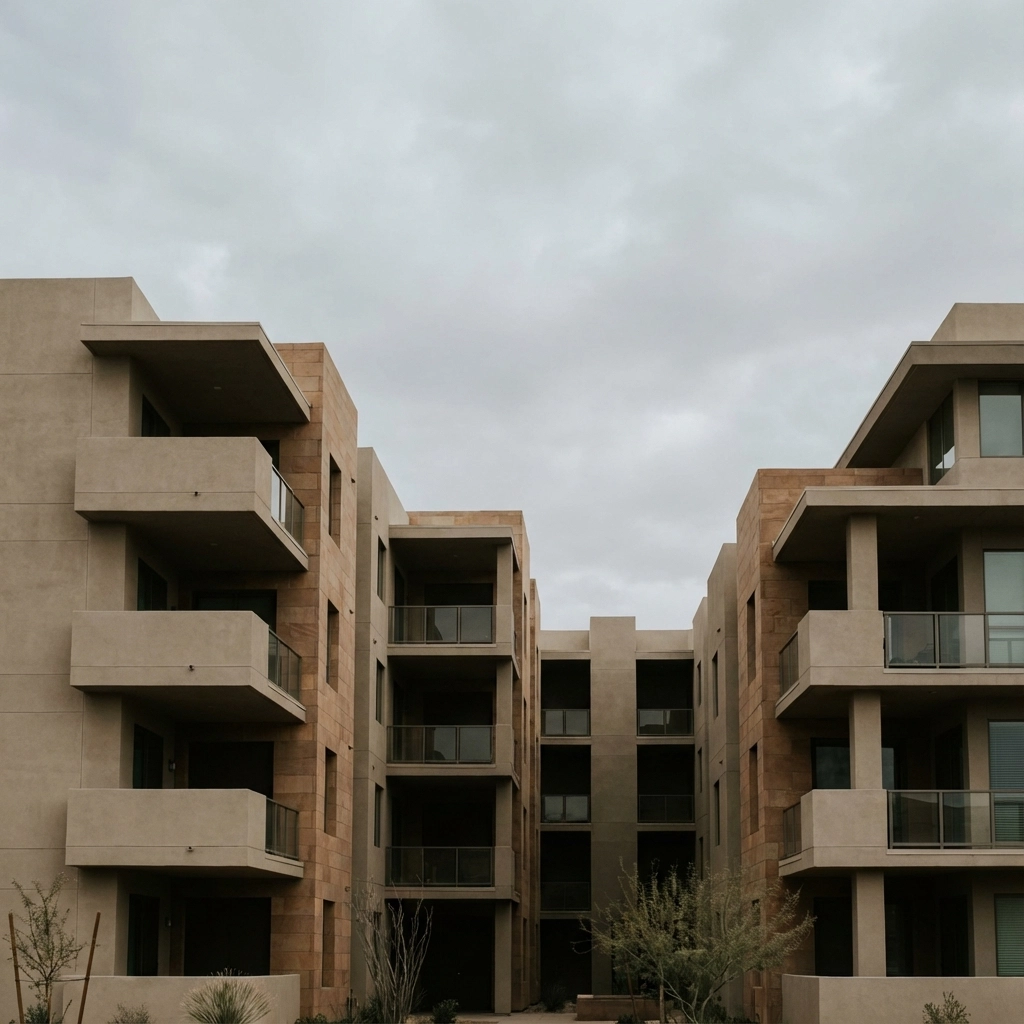
First, let's acknowledge what we're dealing with. Phoenix experienced something many investors thought was impossible: rents actually went down. We're talking about a 2.5% year-over-year decline in asking rents, with the market flooded by new construction that added over 7,000 units by the end of 2024.
This wasn't just a minor correction. Phoenix saw its first extended period of flat or negative appreciation since the early 2000s. If you bought in 2022 or 2023 expecting continued appreciation, this probably stung.
The numbers tell the story: more than half of rental listings are offering move-in incentives, properties are sitting on the market for 25-31 days (well above national averages), and occupancy rates in stabilized multifamily properties dropped to around 93%.
But here's what's interesting: beneath all this turbulence, demand fundamentals remained surprisingly strong. Multifamily absorption ran about 30% above the 10-year average. People are still moving to Phoenix; there's just been too much new supply hitting the market at once.
Why 2026 Looks Different
Several factors are converging that suggest 2026 could mark a turning point from oversupply chaos to market stabilization.
Construction is Finally Slowing Down
The most important shift is happening in new construction. Construction starts fell significantly by late 2025, which means the supply tsunami that drove down rents is finally ebbing. When you consider that Phoenix delivered new units equivalent to 12% of existing inventory in just three years, this slowdown is crucial for rebalancing.
The Demand Engine Keeps Running
Despite all the supply challenges, Phoenix's fundamentals remain solid. High mortgage rates are keeping potential homebuyers in the rental market longer. Meanwhile, people continue migrating from expensive coastal markets, drawn by Arizona's relative affordability and growing job market.
The tech sector expansion, semiconductor manufacturing growth, and infrastructure investments are creating jobs that attract new residents, particularly in North Phoenix and the Southeast Valley.
Pricing Strategies Are Getting Realistic
By late 2025, landlords started abandoning aggressive rent increase expectations and began pricing properties at actual market rates. Forward-looking models now project rent growth accelerating toward 5% by 2027, with modest increases of 1-3% expected for 2026.
The Early 2026 Opportunity Window
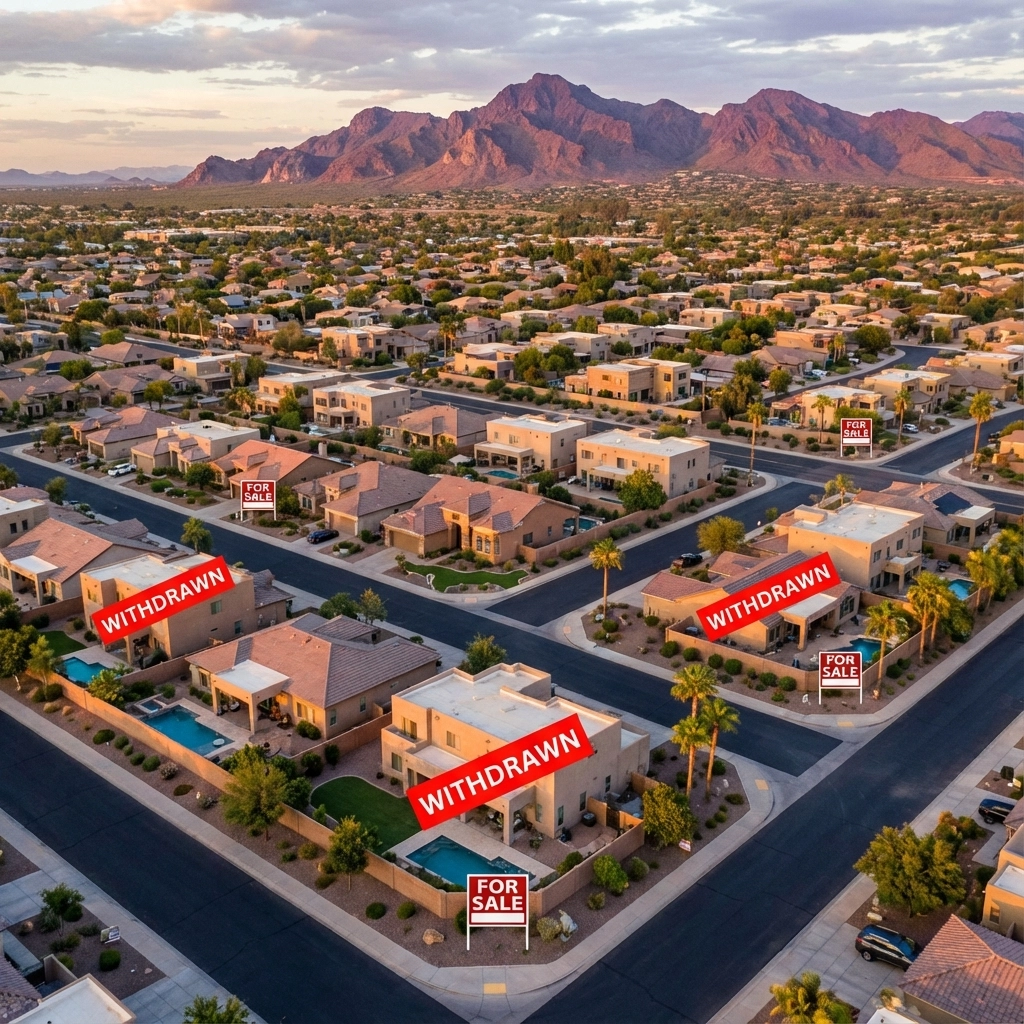
Here's something tactical that could affect your investment decisions: many listings were quietly pulled from the market in late 2025 to "reset" their days on market for the new year. This means January 2026 will likely bring a surge of refreshed listings as sellers reposition properties.
This creates both opportunity and competition. You'll have more choices, but you'll also face other investors who've been waiting for the market to stabilize.

Not All Markets Are Created Equal
One of the biggest lessons from 2025 is that the Phoenix metro isn't a monolithic market. Different segments performed very differently:
Luxury Holds Strong
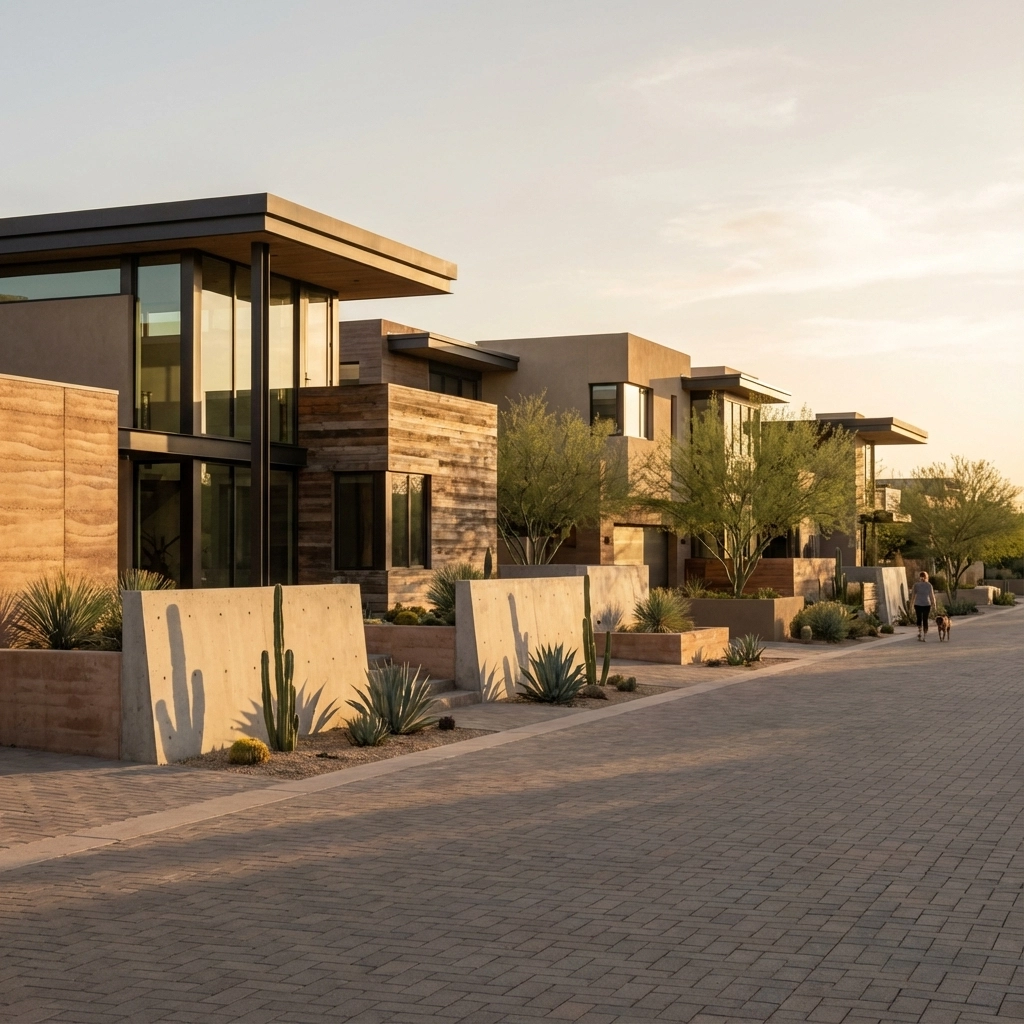
Scottsdale continued appreciating through 2025 while the broader market struggled. Luxury buyers with cash weren't as affected by the broader market dynamics, and new high-end development kept values stable. Paradise Valley showed similar resilience, though with more volatility due to smaller sample sizes.
Fringe Markets Find Balance
Areas like Maricopa, Queen Creek, and Buckeye had their moment in 2024 and early 2025, then settled into stability. Queen Creek, for instance, saw strong appreciation into late 2024 before leveling off. These markets followed a predictable pattern: lag behind Phoenix metro, catch fire late, then normalize.
Suburban Family Markets Stay Steady
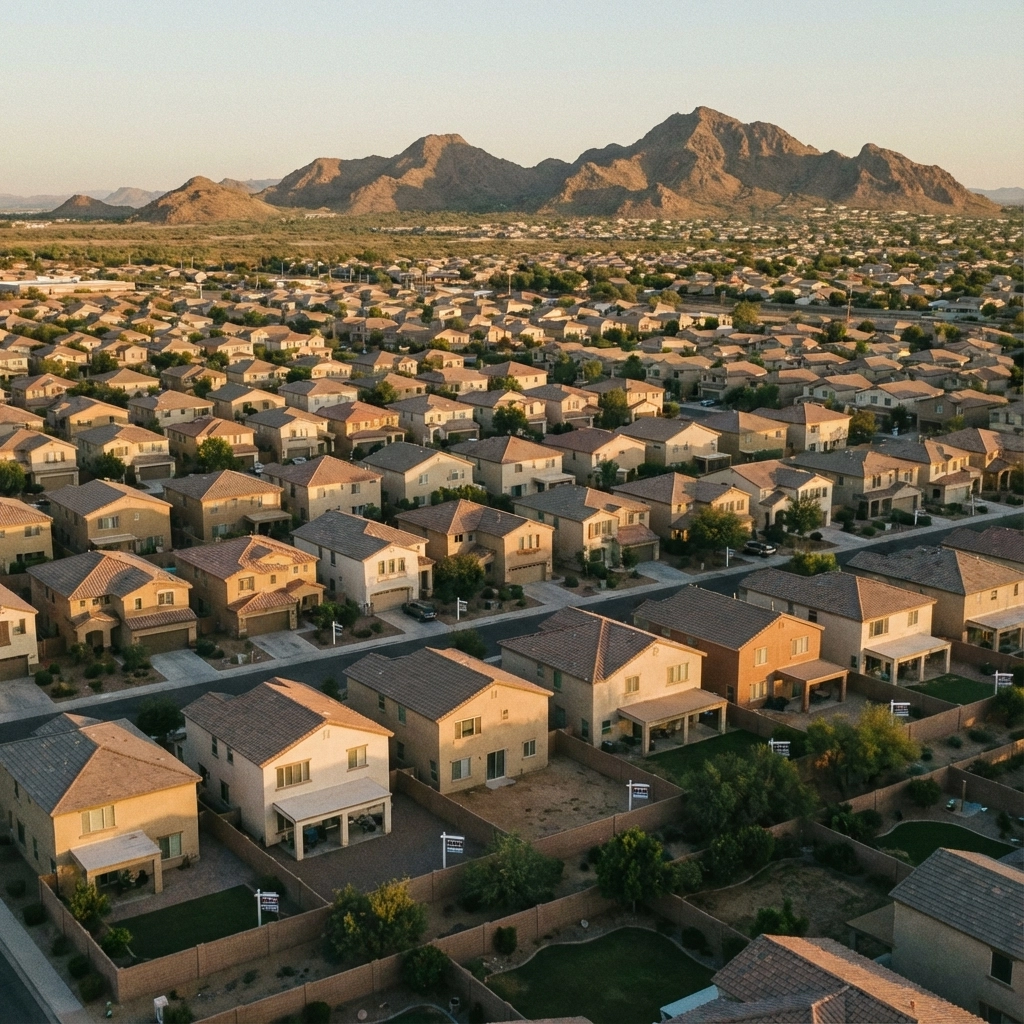
Single-family homes and small multifamily properties in family-friendly areas like Gilbert, Chandler, and Peoria remained more insulated from the worst challenges. Strong schools and community amenities provided a buffer against broader market weakness.
Strategic Moves for 2026
So what does this mean for your investment strategy?
If You're Holding Properties from 2022-2025
Take a hard look at your numbers. Every property needs a case-by-case analysis based on actual cash flow, current market rents, and realistic appreciation projections. If a property generates solid cash flow despite flat appreciation, it might be worth holding as rental fundamentals improve. But if you're bleeding cash based on outdated rent assumptions, it might be time to cut losses.
If You're Looking to Buy
The 2026 market should be more buyer-friendly. You'll have less competition, more negotiating power, and sellers who are motivated to move properties that have been sitting. This is an environment to buy based on fundamentals: solid cash flow and reasonable entry pricing: not appreciation hopes.
Focus on properties that make sense at today's rents, not what you think rents should be.
If You're Managing Rentals
Get real about market rents. Too many properties have been sitting vacant for months because they're priced thousands above what the market will bear. Proactively work on tenant retention to reduce turnover costs, and price your units based on what's actually happening in the market, not what happened two years ago.

What to Watch For
As 2026 unfolds, keep an eye on these indicators:
- New construction permits: Continued declines signal supply relief
- Absorption rates: How quickly new rental units are leasing up
- Concession trends: When incentives start disappearing, it's a sign of market tightening
- Employment growth: Particularly in tech and manufacturing sectors
- Migration patterns: Net inflow from other states
The Bottom Line
Phoenix's 2026 won't likely bring a return to the wild appreciation of 2020-2022. Instead, think of it as a potential turning point toward equilibrium: a market that's more stable than spectacular but firmly supported by genuine demand.
The worst of the rent contraction appears to be behind us. Construction is slowing. Demand remains resilient. Most importantly, investor expectations have been reset to realistic levels.
For investors willing to think in terms of five-year fundamentals rather than year-to-year appreciation, 2026 represents an opportunity to position defensively now and benefit from rent stabilization later.
The turning point might not be dramatic: it will likely be a gradual return to predictability after years of wild swings. And honestly? For long-term investors, predictability might be exactly what the Phoenix market needs.
Whether you're buying, selling, or holding, the key is adapting your strategy to market realities rather than fighting them. The Phoenix rental market is shifting, and 2026 could indeed be the year smart investors position themselves for the next cycle.
Ready to discuss your Phoenix investment strategy? Contact our team for personalized market insights and investment analysis.
Categories
Recent Posts





"My job is to find and attract mastery-based agents to the office, protect the culture, and make sure everyone is happy! "
15169 N. Scottsdale Rd. Ste. 205, Scottsdale, Arizona 85260, USA