
Phoenix Real Estate Market 2026: Why This Quarter Is Your Best Shot at Buying

Here's something that might surprise you: housing costs in the Phoenix metro are expected to fall below 30% of median income for the first time since 2022. That's not a projection or wishful thinking: it's what happens when mortgage rates stabilize, inventory grows, and prices soften all at the same time.
Most buyers have been waiting for this convergence without realizing it was coming. Now it's here, and it won't last indefinitely.
The Deal with Winter 2026: Market Context
The Phoenix real estate market entered 2026 with conditions that haven't aligned this favorably for buyers in several years. Mortgage rates have stabilized at 6.3%: down from 2025 averages: while the Phoenix-Mesa-Scottsdale metro faces projected price decreases of approximately 2.3% year over year.
This matters more than the percentages suggest. Monthly payments are declining slightly for the first time in years, and the combination creates genuine affordability improvement that historically narrows as demand picks up later in the year.
Migration patterns continue supporting the Valley's long-term growth, but the immediate pressure has eased. People are still moving to Arizona, but they're taking time to evaluate options rather than competing in bidding wars. That shift in pace changes everything about how transactions unfold.
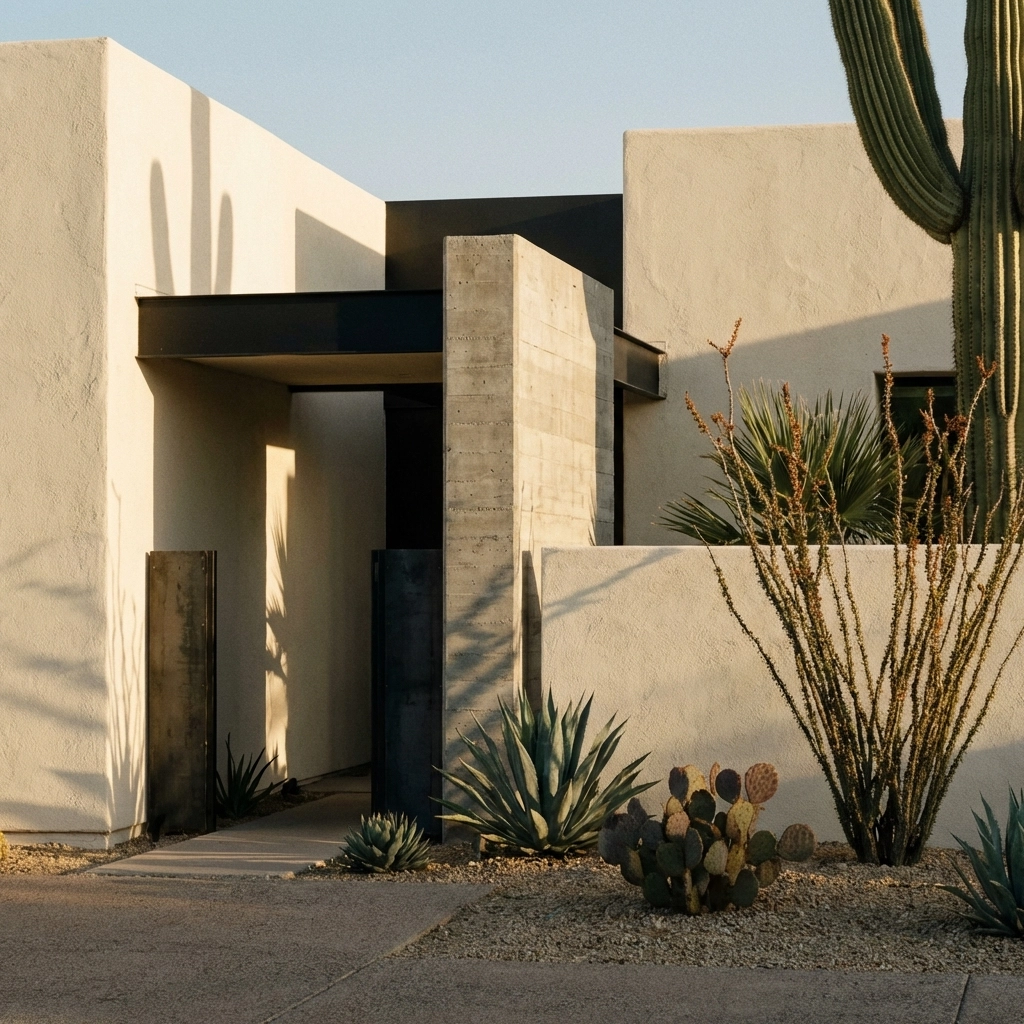
Interest rates remain the wild card. While current levels feel high compared to 2021, they represent stability compared to the volatility of 2023 and 2024. Buyers who understand that rates in the 6% range are historically normal: not emergency-level high: position themselves better than those still waiting for dramatic drops that may not materialize.
Why Q1 Matters: Local Market Nuances
Phoenix real estate operates on predictable seasonal patterns, and Q1 traditionally offers advantages that disappear as the year progresses. Inventory builds during winter months when fewer people want to move, creating more choices and negotiating room for serious buyers.
The difference this year is scale. National housing inventory is projected to grow nearly 9% year over year in 2026, with Phoenix ahead of this trend. More options mean less pressure, but only if you act while inventory remains elevated.
Seller expectations haven't caught up to market reality yet. Many remain anchored to higher price expectations from 2024, while growing inventory suggests buyers have time and choices. This misalignment creates opportunities for buyers who can move decisively without desperation.
Scottsdale's luxury segment shows particular opportunity. High-end properties that sat overpriced through 2025 are finally seeing realistic adjustments, and international buyers: who drove much of the luxury demand: remain more cautious about timing their purchases.

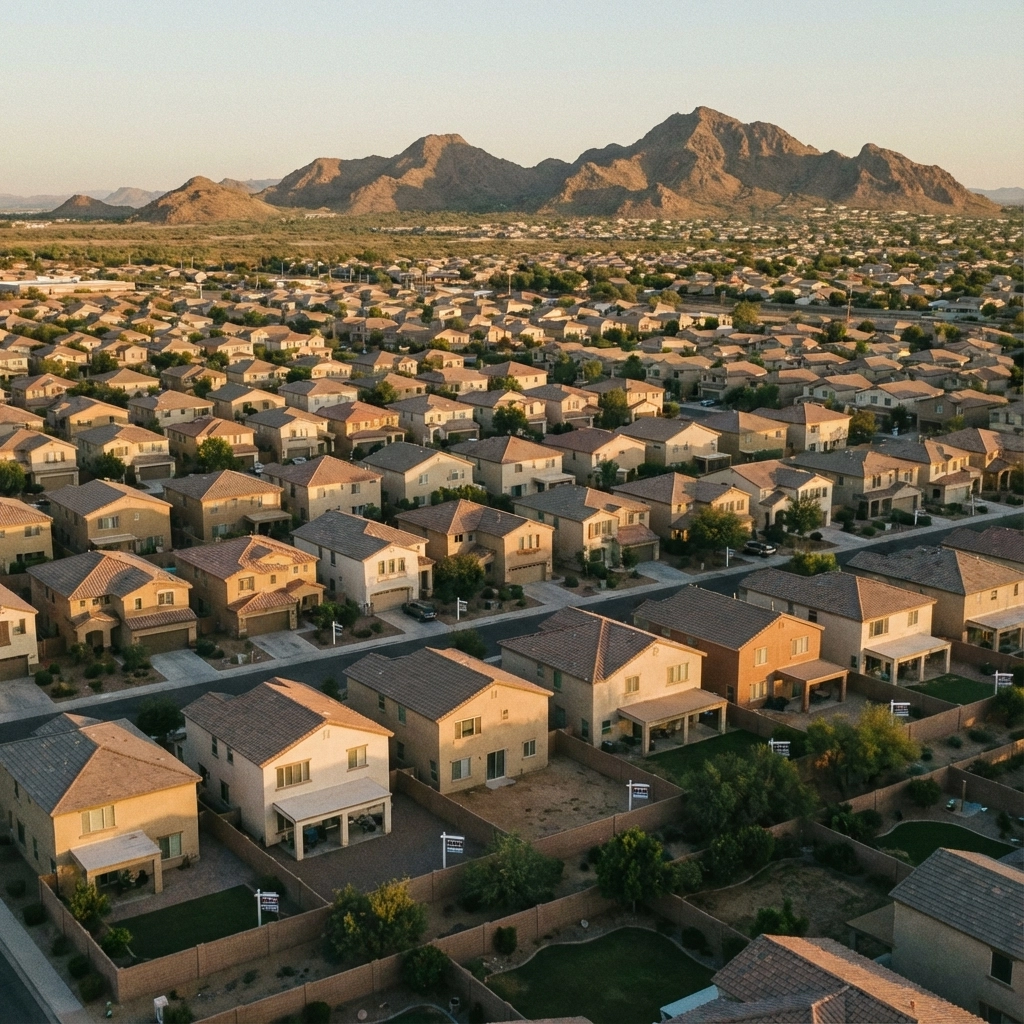
The East Valley markets of Chandler, Mesa, and Gilbert present different dynamics. These areas maintain strong employment growth and school district appeal, but inventory increases have been more pronounced than in central Phoenix or Scottsdale. First-time buyers and families find more room to negotiate here.
Competition levels vary significantly by price point and location. Under $500K, buyer activity remains steady but not frantic. Between $500K-$800K, the sweet spot for move-up buyers, competition has notably decreased. Above $800K, patience often gets rewarded with price reductions or seller concessions.
Real Numbers: Current Market Data
The numbers tell a clear story about why timing matters now. Days on market have increased across most price segments, with homes under $600K averaging 28 days compared to 19 days in early 2025. For buyers, this translates to more time for due diligence and less pressure to waive contingencies.
Price reductions are becoming normal rather than desperate moves. In January 2026, approximately 35% of active listings in the Phoenix metro have reduced their price at least once, compared to 22% the same time last year. The median reduction amounts to 3.2%: meaningful savings that compound when combined with improved negotiating position on other terms.
Median home prices in Phoenix proper currently sit at $485,000, while Scottsdale averages $725,000. Tempe has held steadier at $520,000, reflecting its employment base and proximity to Arizona State University. These numbers represent 2-4% decreases from 2025 peaks, depending on the area.

Mortgage applications in the Phoenix metro increased 14% in December 2025 compared to December 2024, suggesting buyer confidence is building even as affordability improves. However, this uptick hasn't translated to inventory pressure yet: a window that typically closes as spring approaches.
Cash transactions account for roughly 28% of purchases, down from over 35% in 2024. This shift indicates regular buyers with financing are finding more opportunity to compete successfully, rather than being priced out by all-cash offers.
What It Means for Different Types of Buyers
First-time homebuyers in Phoenix benefit most from current conditions. Down payment assistance programs remain available, and the combination of price softening and rate stability improves qualifying ratios significantly. Areas like Ahwatukee, parts of Glendale, and select neighborhoods in Mesa offer the best value proposition for entry-level buyers willing to prioritize location over perfection.
The key advantage for first-timers right now is time. You can view properties without competing against five other buyers the same day. Inspections don't get waived as frequently, and sellers are more willing to handle minor repairs or offer credits for larger issues.
Move-up buyers face an interesting dynamic. If you need to sell your current home to buy the next one, timing becomes crucial. Current market conditions favor both sides of your transaction: you have more choices as a buyer, but your sale might take longer than in previous years.
The strategy here involves realistic pricing on your current home while taking advantage of improved buyer conditions on your purchase. Many move-up buyers are discovering that slight compromises on their sale price unlock significant savings on their purchase, especially in higher price ranges.

Investment buyers should focus on cash flow potential rather than rapid appreciation. Current rental rates in Phoenix have stabilized rather than surged, meaning investment properties need to make sense from day one rather than relying on quick equity gains.
Single-family rentals in emerging areas like Goodyear, Surprise, and parts of the West Valley offer the best combination of affordable entry points and rental demand from families priced out of homeownership. Condos near employment centers in Tempe and Chandler appeal to young professionals but require careful analysis of HOA financials and rental restrictions.
How to Navigate: Practical Strategy
Start with financing clarity. Get pre-approved with a local lender who understands Arizona's market nuances, including how solar leases, HOA structures, and water rights affect transactions. This isn't just about knowing your budget: it's about moving quickly when you find the right property.
Focus on neighborhoods, not just individual houses. Phoenix's growth patterns mean that location choices made today will compound over years. Areas with planned infrastructure improvements, employment growth, or transit development offer better long-term positioning than properties chosen solely for current features.
Use inspection periods strategically. The improved market conditions mean you don't have to waive inspections, but you should understand what issues matter versus what's cosmetic. Major structural, electrical, or HVAC problems justify walking away or negotiating significant credits. Paint colors and outdated fixtures don't.

Consider timing your offer submission carefully. Many sellers receive offers Tuesday through Thursday, when buyers have had time to view weekend open houses and make decisions. Submitting strong offers on Friday or Monday sometimes faces less competition.
Work with representation that understands current market dynamics. The negotiation strategies that worked in 2021's seller's market don't apply now, and buyers need advocates who recognize how to leverage improved conditions without appearing unreasonable.
Think beyond the purchase price. Seller credits for closing costs, home warranties, or repair allowances can provide immediate value that compound your savings. In a balanced market, these concessions become negotiable rather than automatic rejections.
The opportunity exists now because multiple favorable conditions have aligned temporarily. Mortgage rates have stabilized, inventory has grown, price expectations are adjusting, and seasonal patterns favor buyers. This convergence won't last indefinitely: forecasts suggest demand will likely accelerate later in 2026 as more buyers recognize the improved conditions.
Smart buyers understand that waiting for perfect conditions often means missing good ones. The Phoenix market offers genuine opportunity right now for those ready to act thoughtfully rather than desperately.
Categories
Recent Posts





"My job is to find and attract mastery-based agents to the office, protect the culture, and make sure everyone is happy! "
15169 N. Scottsdale Rd. Ste. 205, Scottsdale, Arizona 85260, USA