
The 2026 Exhale: Why 18% More Inventory is the Reset Phoenix Needed

The Shift No One Wants to Name
For two years, the Phoenix real estate market held its breath.
Buyers bid blind. Sellers listed high and waited for validation. Inventory was so thin that mediocre homes in average locations commanded prices that made no structural sense. The valley operated on adrenaline, not fundamentals.
That era is over.
What we are witnessing now is not a collapse. It is an exhale. A return to proportion. And for those who understand how markets actually function, this is the healthiest thing to happen to Phoenix real estate in half a decade.
The numbers tell a clear story. Active inventory across the Phoenix metro is up 18% year-over-year. Median days on market have stretched to 66. Interest rates have stabilized in the low 6% range after two years of volatility. These are not distress signals. They are signs of a market finding its center of gravity.
The Data Behind the Exhale
Before interpreting what this shift means, the numbers deserve a clear read.
Phoenix Metro Market Snapshot : January 2026
- Active Inventory: Up 18% compared to January 2025
- Median Days on Market: 66 days (up from 42 days one year ago)
- 30-Year Fixed Mortgage Rate: Stabilizing between 6.2% and 6.4%
- Price Adjustments: Occurring in approximately 34% of active listings
- Buyer Activity: Measured but consistent; serious buyers are transacting
Sources: ARMLS Market Statistics, Freddie Mac PMMS, Redfin Data Center
The direction is unmistakable. Supply is rising. Pace is slowing. And yet, transaction volume remains steady among qualified buyers and sellers who understand the new terrain.
This is not panic. This is recalibration.
What 18% More Inventory Actually Means
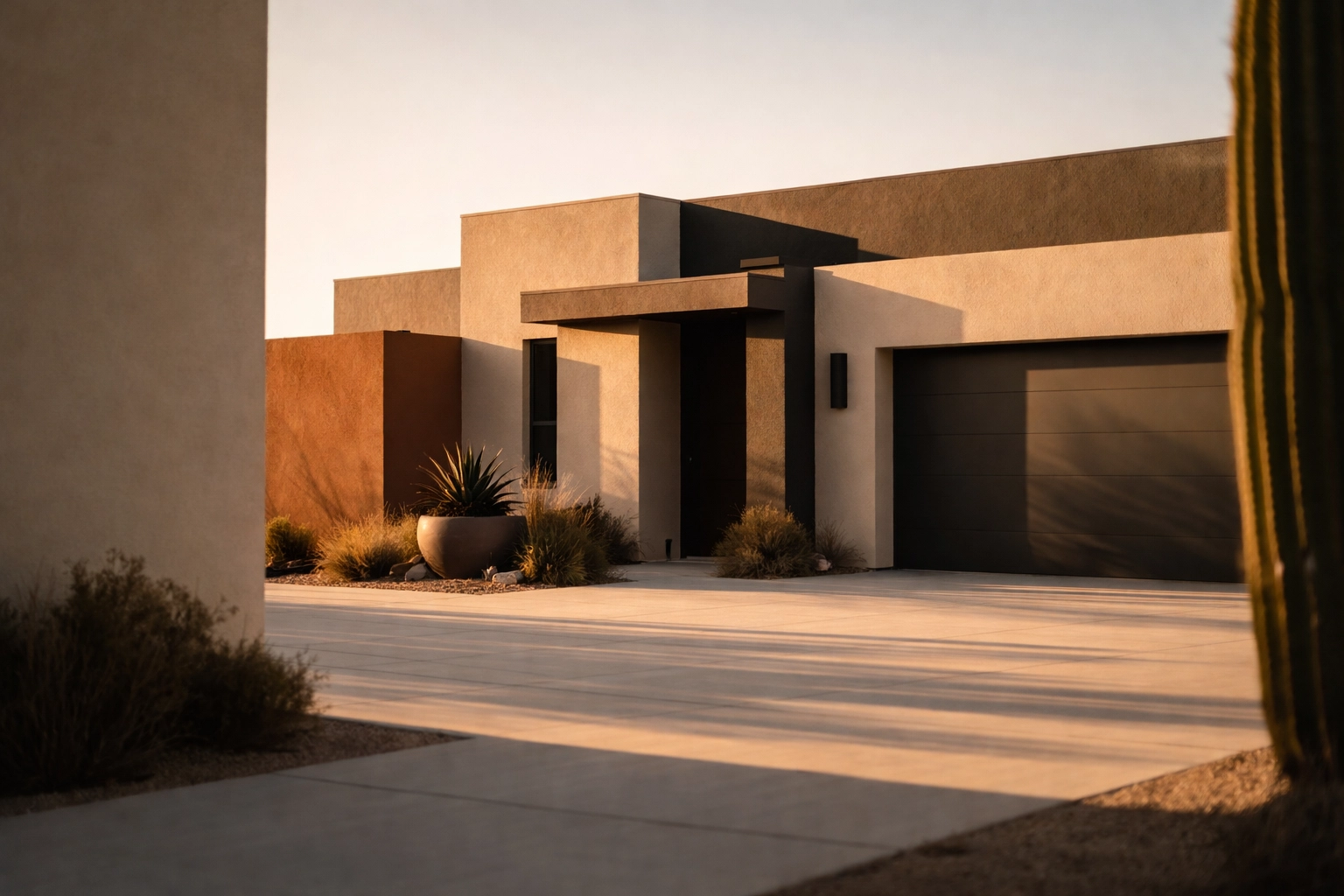
Inventory is the oxygen of a real estate market. Too little, and everything overheats. Too much, and values erode. The Phoenix valley spent years in the former condition. Now, for the first time since pre-pandemic, we are approaching equilibrium.
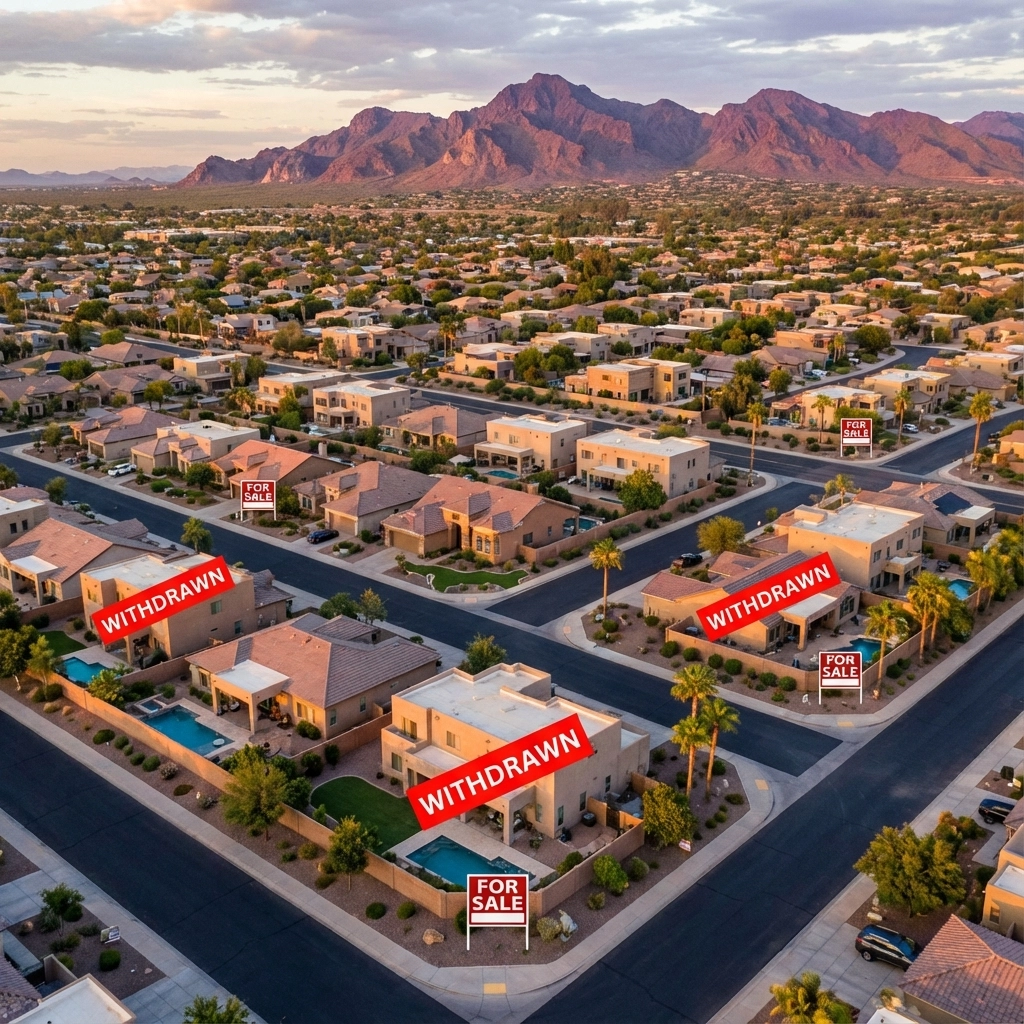
An 18% increase in active listings does not mean the market is flooded. It means buyers have choices. It means sellers must be precise. It means pricing has to reflect reality, not aspiration.
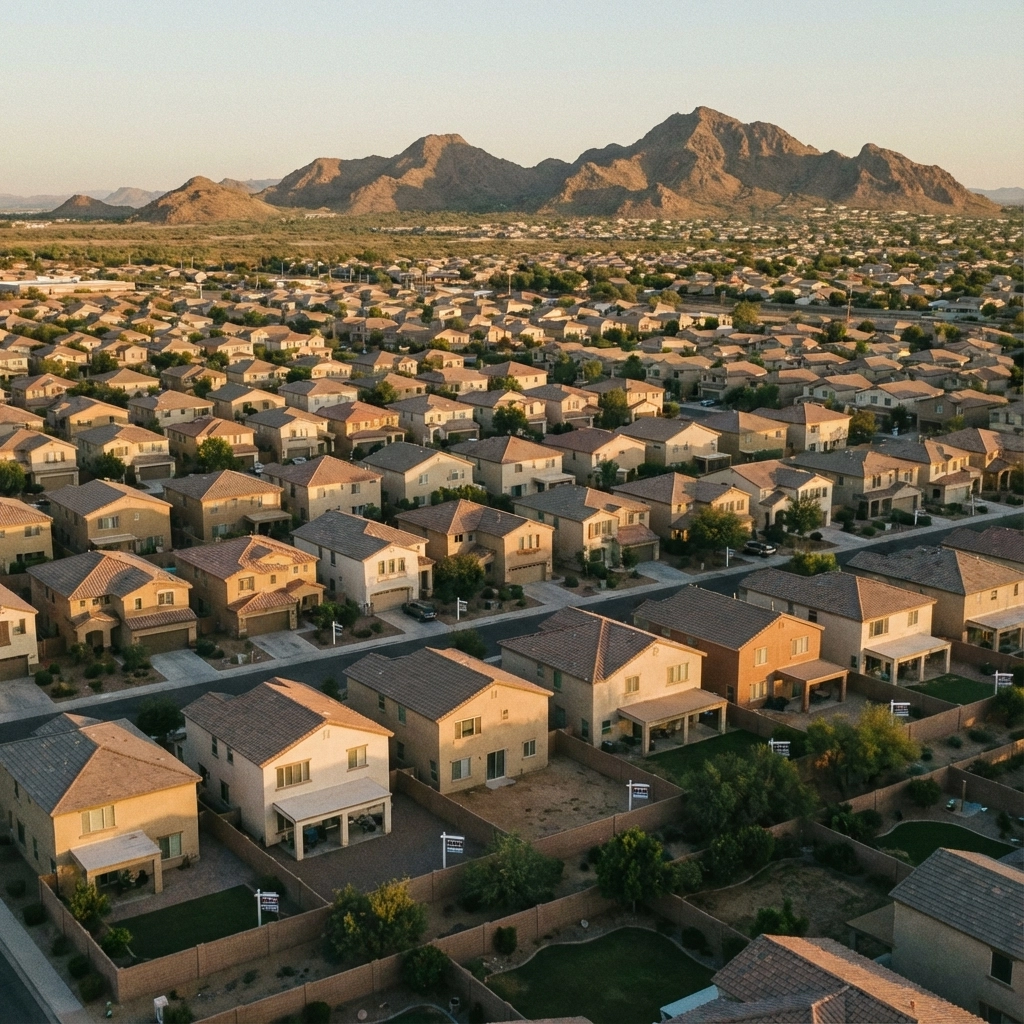
In Scottsdale, this shift is particularly visible. Homes that would have sold in days two years ago are now sitting for weeks. This is not a flaw. It is the market correcting for a period when speed replaced discernment.
The same pattern is playing out across the East Valley. In Chandler and Gilbert, the days of waiving inspections and escalating blindly are behind us. Buyers are touring multiple properties. They are negotiating. They are walking away from homes that do not meet their standards.
This is what a functional market looks like.
66 Days on Market: The Return of Deliberation
In 2021 and 2022, a home sitting on the market for two weeks felt like a failure. That psychology was distorted.
Sixty-six days is not a warning sign. It is a return to the pace at which thoughtful decisions get made.
For buyers, this means time. Time to evaluate. Time to compare. Time to understand what you are actually purchasing rather than scrambling to secure something before it disappears.
For sellers, it means patience. A home priced correctly, presented well, and positioned in the right micro-market will still move. But the days of listing high and expecting a bidding war within 72 hours are over.
The market is no longer rewarding speed for its own sake. It is rewarding preparation.

Interest Rates in the Low 6s: Stability Over Speculation
Much of the anxiety around the Phoenix real estate market over the past two years has centered on interest rates. The volatility was real. Rates swung from historic lows to levels not seen in decades, and the psychological whiplash affected both buyers and sellers.
Now, with 30-year fixed rates stabilizing in the 6.2% to 6.4% range, the landscape has settled.
Is 6.3% the 3% we saw in 2021? No. But it is also not the 8% that some forecasters predicted. More importantly, it is predictable. Buyers can underwrite deals with confidence. Sellers can set expectations based on what today's buyers can actually afford.
Rate stability is more valuable than rate perfection. It allows both sides of a transaction to plan rather than react.
For those considering phoenix homes for sale, the math is now consistent. That consistency is a feature, not a limitation.
Why This Is Not a Crash
The word "crash" gets used carelessly.
A crash implies systemic failure. Defaults. Foreclosures. Forced selling. Distressed inventory flooding the market.
None of that is present in Phoenix.
What we have instead is a market that overheated, held on too long, and is now normalizing. Prices are not collapsing. They are adjusting. Demand has not disappeared. It has become more selective.
The national housing market is expected to see an 8.9% increase in active listings in 2026, marking a third consecutive year of inventory growth. Phoenix is simply ahead of that curve. The valley's 18% increase reflects a market that ran hotter and is now cooling faster.
This is healthy. Markets that do not correct eventually break. Phoenix is correcting. That is the difference.

What This Means for Buyers in Phoenix
If you have been waiting for the market to breathe, this is the exhale.
The leverage has shifted. Not dramatically, but meaningfully. Buyers in early 2026 have options that did not exist 18 months ago.
- You can negotiate on price
- You can request repairs
- You can take time to conduct proper due diligence
- You can walk away without losing your only chance
This does not mean prices are falling off a cliff. It means the power dynamic has rebalanced. Sellers who understand this will meet you in the middle. Those who do not will watch their listings age.
For those exploring Scottsdale homes for sale or looking at communities in the East Valley like Chandler or Gilbert, this is the window. Not because prices will crash further, but because the conditions for making a clear-headed decision have never been better.
What This Means for Sellers in Phoenix
Selling in a normalized market requires a different approach than selling in a frenzy.
The fundamentals matter again. Presentation, pricing, and positioning are no longer optional. They are the difference between a home that moves and one that lingers.
If you are considering selling your house in Phoenix, the strategy has changed:
Price with precision. The market will not correct your optimism for you. Overpriced homes sit. Correctly priced homes transact.
Present with intention. Buyers have choices. They will compare your home to others. The details matter.
Understand your competition. With 18% more inventory, your home is no longer the only option. Know what else is available and position accordingly.
This is not a bad time to sell. It is simply a time when preparation separates successful transactions from stale listings.
The Geography of the Exhale
The shift is not uniform across the valley.
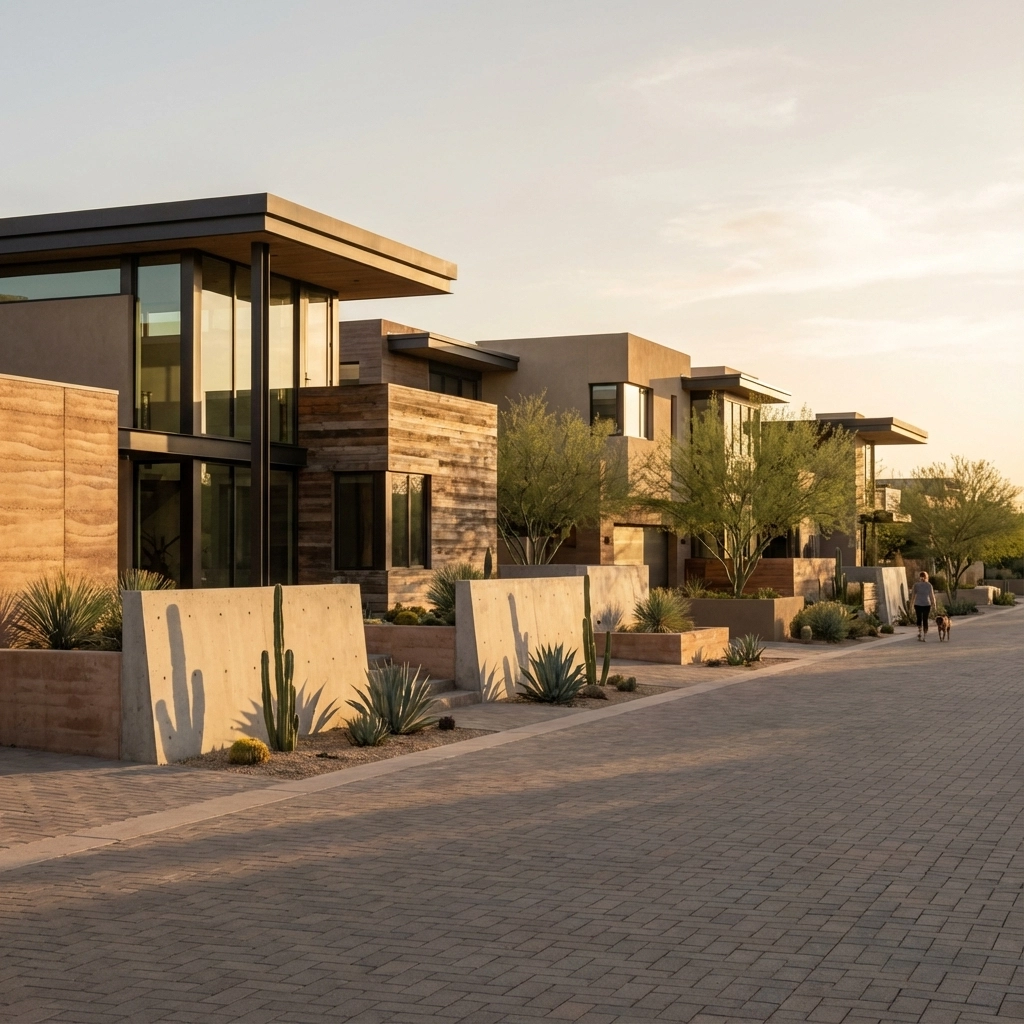
In Scottsdale, particularly in areas like Arcadia and the Biltmore corridor, demand remains strong for well-located, architecturally distinct properties. The premium market has softened less than the middle.
In the East Valley, communities like Gilbert and Chandler are seeing more price adjustments as inventory rises. These areas attracted significant buyer interest during the pandemic migration, and some of that demand has normalized.
In the West Valley, particularly in newer master-planned communities, the pace has slowed more noticeably. Builders are offering concessions. Resale inventory is competing with new construction incentives.
Understanding these micro-markets is essential. The Phoenix metro is not a monolith. Each submarket has its own rhythm, and strategy should reflect that.

The Long View
Real estate markets move in cycles. The past five years in Phoenix were not normal. They were an aberration driven by unprecedented migration, historically low rates, and constrained supply.
What we are experiencing now is a return to pattern. Not a return to 2019 prices, but a return to 2019 dynamics. Buyers and sellers negotiating. Homes taking time to sell. Pricing reflecting reality.
For those investing in Phoenix real estate, this normalization creates opportunity. Overpaying in a frenzy is how portfolios get upside down. Buying with discipline in a measured market is how wealth gets built.
For those buying a primary residence, the exhale means something simpler. You can take your time. You can choose well. You can make a decision that fits your life rather than one forced by artificial urgency.
The Bottom Line
The Phoenix real estate market in 2026 is not broken. It is breathing.
Inventory is up. Days on market have extended. Rates have stabilized. And for the first time in years, both buyers and sellers have the space to make decisions that actually make sense.
This is the reset Phoenix needed. Not a crash. Not a correction to fear. An exhale.
The question is not whether the market has changed. It has. The question is whether you are positioned to move with clarity now that the chaos has settled.
For a personalized look at what the current market means for your situation, reach out directly or request a home evaluation to understand where you stand.
Categories
Recent Posts





"My job is to find and attract mastery-based agents to the office, protect the culture, and make sure everyone is happy! "
15169 N. Scottsdale Rd. Ste. 205, Scottsdale, Arizona 85260, USA