
Why Most Real Estate Teams Can't Handle Both Residential and Commercial Deals (And What Investors Are Missing)

Here's the thing nobody talks about in real estate: most teams that claim they "do it all" actually do nothing particularly well. You've probably seen the billboards: "Residential • Commercial • Investment Properties": and thought, "Great, one-stop shopping." But here's what's really happening behind those flashy marketing claims.
The vast majority of real estate teams are stretched so thin trying to serve every market segment that they're essentially beginners in each one. It's like expecting your family doctor to also perform brain surgery. Sure, they both went to medical school, but you wouldn't want Dr. Smith operating on your frontal lobe just because he's great with strep throat.
The Fundamental Problem: Two Different Worlds
Let's start with the obvious: residential and commercial real estate might as well be different industries. When someone's buying a home, they're thinking about where their kids will go to school, whether the kitchen feels right for Sunday morning pancakes, and if the master bedroom gets good morning light. It's emotional, personal, and often the biggest purchase of their lives.
Commercial deals? Completely different animal. We're talking NOI calculations, cap rates, tenant lease analysis, and cash flow projections. An investor looking at a retail plaza doesn't care if the break room has cute subway tiles: they want to know the traffic counts, the anchor tenant's credit rating, and whether that corner unit can command premium rent.

These aren't just different skill sets; they're different mindsets entirely. And here's where most teams fall apart.
The Expertise Trap
Commercial real estate requires specialized knowledge that takes years to develop. You need to understand complex valuation metrics, zoning compliance, environmental studies, and lease structures that can span decades. A residential agent who's amazing at helping families find their dream home has zero business advising on industrial property acquisitions.
But here's what happens in practice: A team that primarily does residential gets a commercial inquiry. Instead of referring out (and losing the commission), they figure, "How hard can it be?" They wing it, rely on basic comparable sales data, and hope for the best. The investor either overpays, misses crucial due diligence items, or both.
I've seen investors lose tens of thousands because their "full-service" agent missed obvious red flags in lease agreements or failed to properly analyze tenant quality. It's not malicious: these agents genuinely don't know what they don't know.
The Timeline Disaster
Residential transactions move fast. Most deals close in 30-45 days with standardized contracts and predictable processes. Commercial deals? They can take months. Sometimes longer.
When a team is juggling quick residential closings alongside complex commercial negotiations, something's got to give. Usually, it's attention to detail. The residential deals get priority because they close faster and keep cash flow moving, while the commercial deals get pushed to the back burner.
I've watched teams lose commercial deals because they couldn't dedicate the sustained attention these transactions require. While they were running around to residential showings and inspections, their commercial client's deal fell apart due to delayed responses and missed deadlines.
The Resource Allocation Problem
Managing commercial properties is exponentially more complex than residential. Multi-tenant buildings require full-time management teams, specialized maintenance crews, and detailed knowledge of commercial tenant needs. A strip mall doesn't run itself the way a single-family rental might.
Teams trying to do both end up with neither the residential volume nor the commercial expertise to be profitable in either segment. They're the real estate equivalent of a restaurant that serves both sushi and BBQ: you know neither is going to be exceptional.

What Investors Are Actually Missing
When you work with a generalist team instead of commercial specialists, you're leaving serious money on the table. Here's what you're missing:
Market Intelligence: Specialists live and breathe their market segment. They know which submarkets are emerging, which property types are gaining institutional interest, and where the smart money is moving. A generalist might know that "commercial is hot" but lacks the granular insights that lead to profitable investments.
Advanced Financial Analysis: Commercial specialists understand how to properly underwrite deals using sophisticated metrics beyond basic cap rates. They can identify value-add opportunities, analyze rent roll quality, and project realistic cash flows. Generalists often rely on surface-level comps and cross their fingers.
Negotiation Leverage: When your agent really understands commercial leasing structures, tenant improvement allowances, and market rental rates, they can negotiate terms that significantly impact your bottom line. A residential-focused agent might focus on purchase price while missing opportunities to negotiate favorable lease terms worth thousands annually.
Risk Mitigation: Commercial real estate has unique risks around environmental compliance, zoning issues, and tenant quality that residential agents simply don't encounter regularly. Specialists know what due diligence items are non-negotiable and which potential problems could sink a deal.
Speed and Efficiency: Specialized teams have streamlined processes for commercial transactions. They know which lenders work best for different property types, which inspectors understand commercial systems, and how to structure deals efficiently. Generalists are constantly learning on your dime.
The Camelback Group Difference
This is exactly why we've structured our team differently. Instead of trying to be everything to everyone, we've built deep expertise in both residential and commercial markets with dedicated specialists for each.
Our residential team knows the Phoenix housing market inside and out: every neighborhood nuance, school district boundary, and market trend that matters to homebuyers and residential investors. Meanwhile, our commercial specialists live in the world of office buildings, retail centers, and industrial properties.
But here's the key: these teams collaborate seamlessly. When we have investors building portfolios across both segments, they get true expertise in each area while maintaining consistent service and strategy across their entire portfolio.
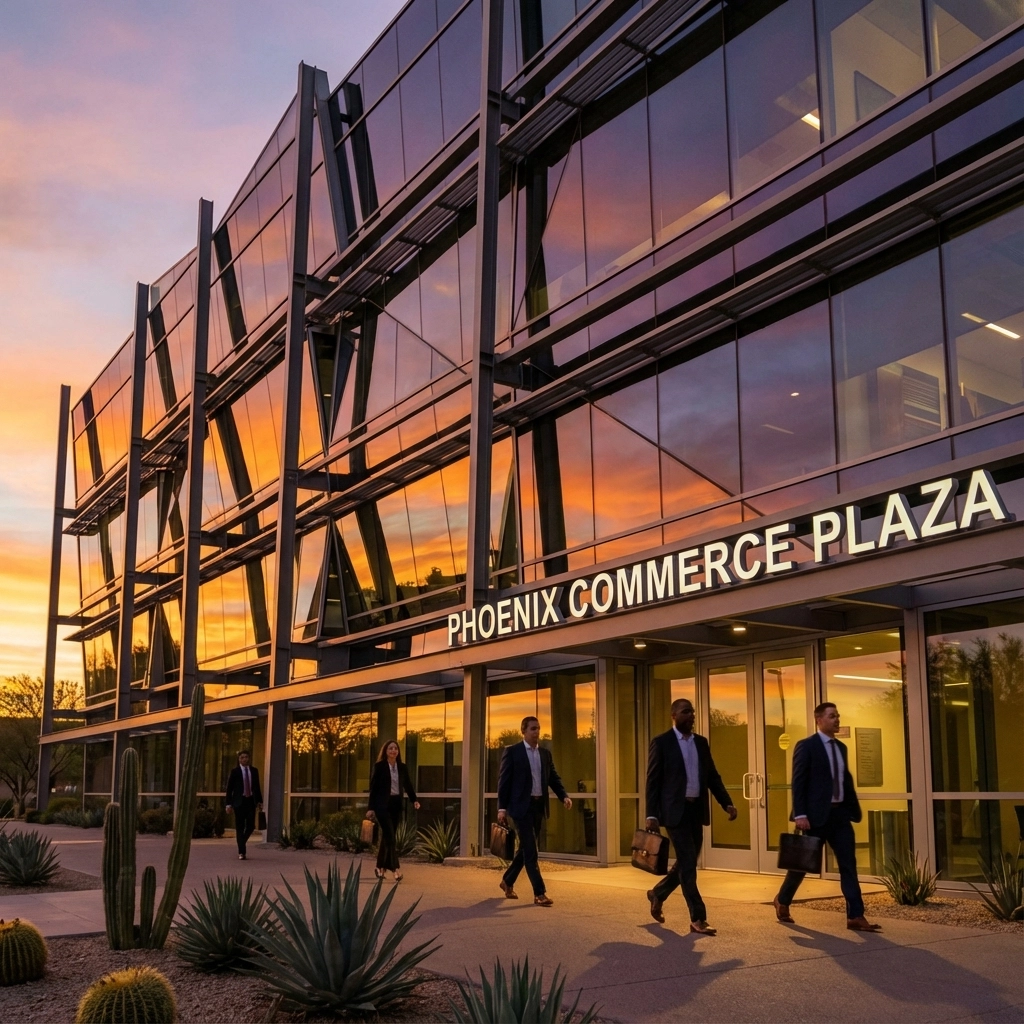
We're not trying to do everything: we're trying to do each thing exceptionally well. Our residential specialists aren't pretending they understand industrial cap rates, and our commercial team isn't wasting time learning about residential market comparables.
The Real Cost of "Jack of All Trades" Teams
The financial impact of working with generalist teams isn't always obvious upfront, but it compounds over time. Maybe you pay 5% more for a commercial property because your agent couldn't properly analyze the market. Perhaps you miss out on a value-add opportunity because they didn't understand the tenant improvement landscape.
Or maybe: and this happens more often than you'd think: you avoid commercial investing altogether because your residential agent doesn't really understand it and can't effectively guide you through the opportunities.
The investors who build serious wealth in real estate don't mess around with generalists. They work with specialists who can identify opportunities, structure deals effectively, and help them avoid costly mistakes.
Why This Matters Now
With interest rates where they are and market dynamics shifting rapidly, having the right expertise matters more than ever. Commercial real estate opportunities are becoming more nuanced, requiring deeper analysis and more sophisticated strategies.
The teams that are trying to do everything are increasingly falling behind those with focused expertise. In a competitive market, you can't afford to work with agents who are figuring things out as they go.
Your investment portfolio deserves better than agents who are winging it across multiple specialties. Whether you're buying your first rental property or expanding a commercial portfolio, working with true specialists isn't a luxury: it's a necessity.
Ready to see what working with real expertise looks like? Get in touch with our team and let's discuss how specialized knowledge can impact your investment strategy.
The post Why Most Real Estate Teams Can't Handle Both Residential and Commercial Deals (And What Investors Are Missing) first appeared on camelback.group.
Categories
Recent Posts








"My job is to find and attract mastery-based agents to the office, protect the culture, and make sure everyone is happy! "
15169 N. Scottsdale Rd. Ste. 205, Scottsdale, Arizona 85260, USA