
Why some Phoenix investors are pivoting their rental strategies as vacancy rates climb

You notice the shift first in the concessions. Free parking. A month off rent. Move-in credits that didn't exist two years ago.
Phoenix rental investors are recalibrating their strategies because the market has quietly moved from scarcity to abundance. The numbers tell a clear story, but the experience feels different: less urgent, more considered.
The oversupply reality
Phoenix delivered over 40,000 multifamily units in 2024. The population grew by 12,500.
That imbalance creates a different kind of market tension. Vacancy rates have climbed to 12.4%, up from 10.7% the year before. Rents have declined 2.5% to 3.8% year-over-year in most submarkets.
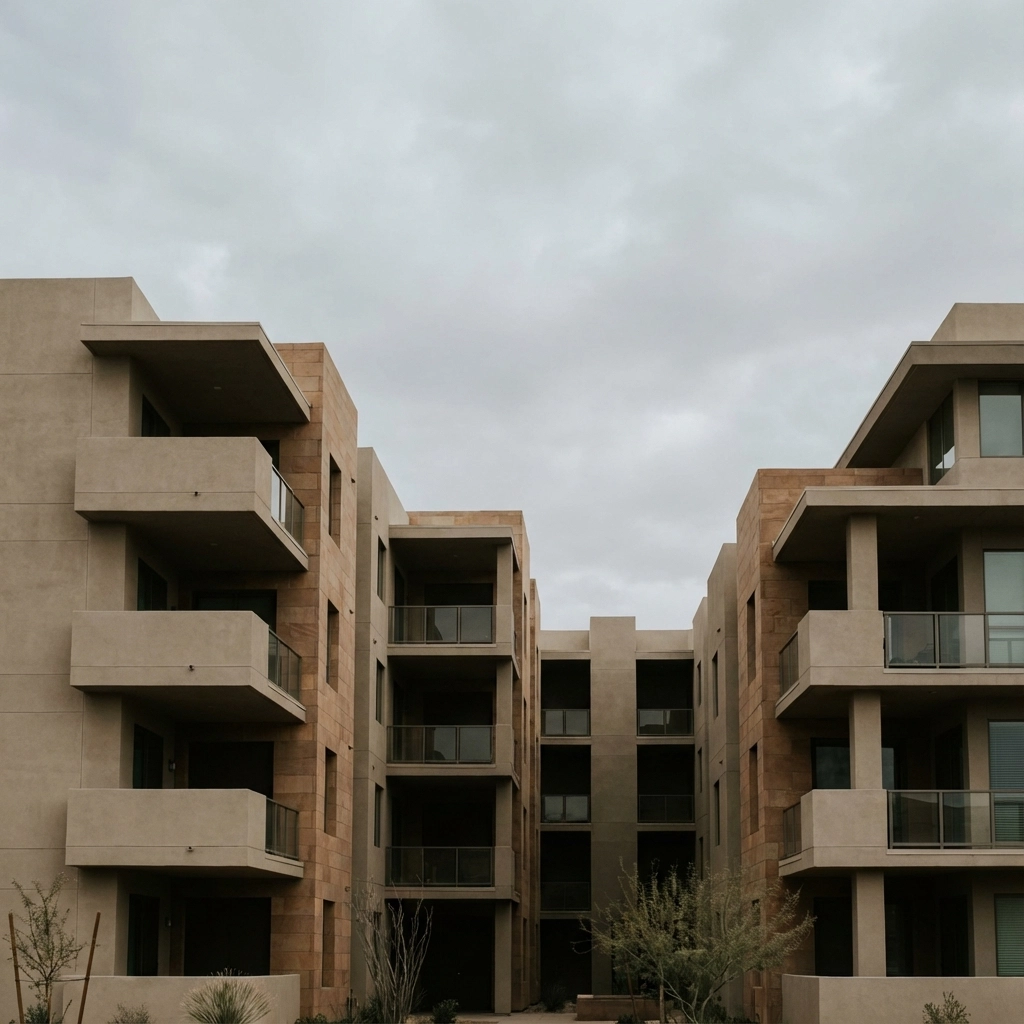
These aren't theoretical shifts. They show up in how long properties sit empty and how many concessions landlords offer just to fill units. More than half of rental listings now include some form of incentive.
The rapid appreciation that defined 2020-2022 has been replaced by something investors haven't navigated in over a decade: oversupply.
Competition for attention
Properties remain on the market for 25 to 31 days now, well above national averages. That's time and vacancy costs that weren't factored into purchase models built on quick fills and steady rent increases.
The competition isn't just about price. It's about differentiation in a market where units can feel interchangeable. High-end properties face the steepest challenges, particularly in areas where new construction concentrated luxury amenities.
Investors who purchased expecting continued appreciation are finding themselves in a different game entirely.
Strategic shifts taking shape
The pivot shows up in property selection first. Single-family homes and small multifamily properties in suburban neighborhoods like Gilbert, Chandler, and Peoria are holding their performance better than high-density luxury units.

Some investors are moving away from the premium new construction that dominated their portfolios during the boom years. Instead, they're looking at established neighborhoods where housing stock is more varied and competition less concentrated.
Others are adjusting their financial models entirely. The expectation of 8-12% annual rent increases has been replaced by projections of 1-3% growth: numbers that feel modest after years of aggressive appreciation.
The concession economy
Free weeks of rent have become standard negotiating tools. Parking credits, waived deposits, and flexible lease terms are no longer exceptions: they're part of the baseline offering.
These concessions represent more than marketing tactics. They're structural adjustments to a market where renters have options and time to compare them.
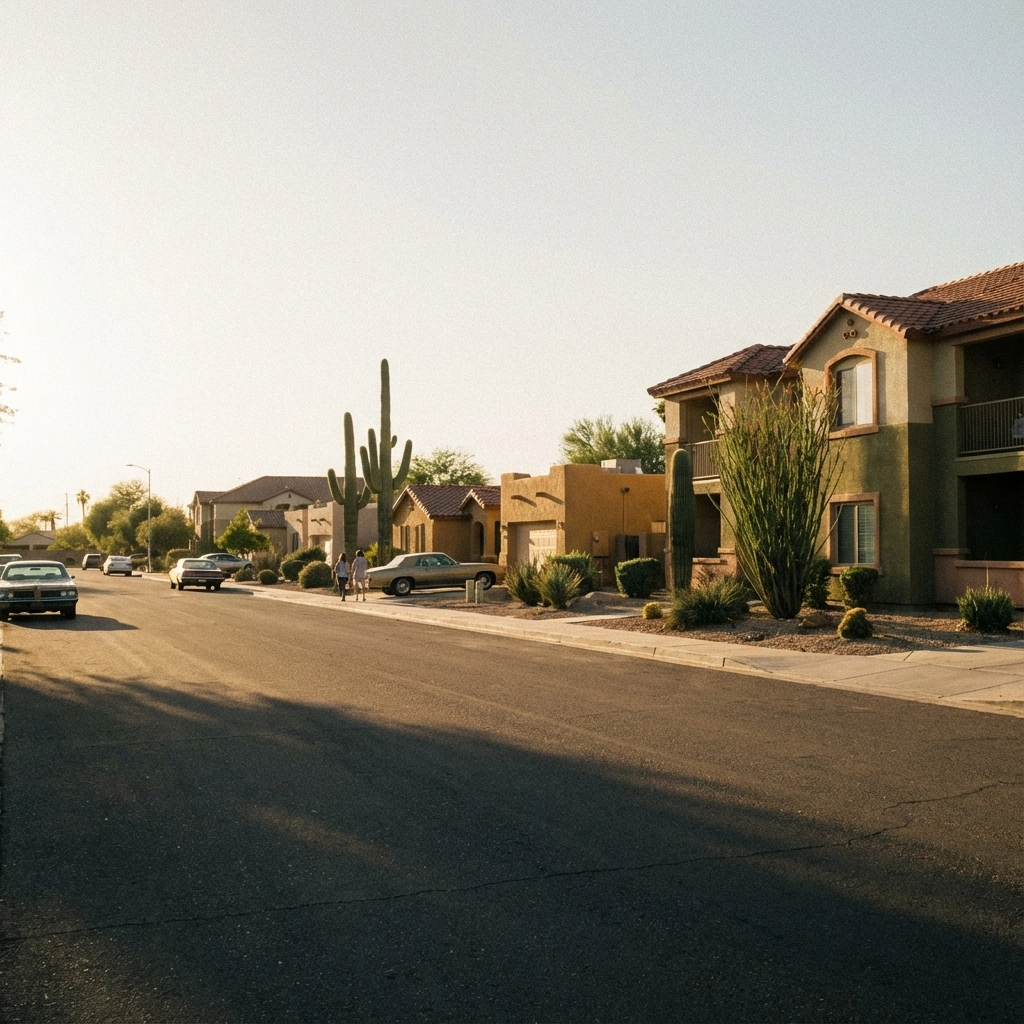
Investors are building these costs into their operating models rather than treating them as temporary market corrections. The math has to account for higher tenant acquisition costs and longer lease-up periods.
Rethinking the rental timeline
The quick-flip mentality that worked during peak demand doesn't translate to current conditions. Properties need more time to find the right tenants, and those tenants are more selective about amenities, location, and pricing.
Some investors are extending their hold periods, recognizing that stable cash flow might be more valuable than rapid equity appreciation in this environment. Others are selling properties that require significant capital improvements to compete effectively.
The focus has shifted from chasing maximum rent to maintaining consistent occupancy. A unit occupied at 95% of asking rent often performs better than one sitting vacant at full price.
Geographic considerations
North Phoenix and areas near major employment centers are showing more resilience than markets that experienced the heaviest construction activity. Proximity to established job centers and transportation corridors matters more when renters have choices.

Some investors are consolidating their portfolios geographically, focusing on neighborhoods they understand rather than spreading across multiple submarkets. Local market knowledge becomes more valuable when differentiation matters.
The suburban rental market is performing differently than urban high-rises, creating opportunities for investors willing to adjust their property types and target demographics.
Financial model adjustments
Investors are revisiting their underwriting assumptions. Cash flow projections built on consistent rent increases need updating for a market where rent growth may be flat or negative for extended periods.
Some are refinancing variable-rate debt to lock in current rates, recognizing that the days of expecting rent increases to outpace borrowing costs may be behind them, at least temporarily.
The focus on cash-on-cash returns has intensified. Properties need to perform financially in their current state rather than banking on future appreciation to justify purchase prices.
Market timing and patience
The investors adapting most successfully seem to be those treating this as a normalization rather than a crisis. They're using the increased inventory to be more selective about acquisitions and more strategic about property improvements.

Some are pausing new acquisitions entirely, focusing instead on optimizing existing properties for better performance in competitive conditions. Others are identifying distressed sellers who purchased at peak prices and need to exit quickly.
The market rewards patience now in ways it didn't during the rapid-growth period. Properties that might have sold quickly at asking price two years ago benefit from more careful evaluation and strategic positioning.
Looking ahead
Construction pipelines are finally slowing, with new project starts down significantly from 2023-2024 levels. Most analysts expect market conditions to stabilize by late 2026, though at rent levels that reflect current supply dynamics rather than the explosive growth of recent years.
Investors who adjust their strategies to current conditions rather than waiting for a return to previous market dynamics appear positioned for more consistent performance. The rental market is still functional: it just operates under different rules than it did during the shortage years.
The pivot isn't necessarily toward different property types or markets. It's toward realistic expectations and strategies that work when renters have options and time to use them.
Image Brief for Jordan:
Look for authentic Phoenix rental properties and residential scenes that show the current market reality: perhaps apartment complexes with "Now Leasing" signs, diverse housing stock in suburban neighborhoods like Gilbert or Chandler, or wide shots of newer residential developments. Avoid overly polished marketing photos; instead capture the everyday reality of Phoenix rental housing. Consider images that show the abundance of choices renters now have, such as multiple apartment buildings in a single frame or residential streets with various "For Rent" signs visible. Local, unstaged photography that reflects the current rental landscape would work best.
The post Why some Phoenix investors are pivoting their rental strategies as vacancy rates climb first appeared on camelback.group.
Categories
Recent Posts








"My job is to find and attract mastery-based agents to the office, protect the culture, and make sure everyone is happy! "
15169 N. Scottsdale Rd. Ste. 205, Scottsdale, Arizona 85260, USA